Fan Experience & Culture

Fan zones & official viewing areas

The 2026 World Cup is doing something different with public viewing. Instead of treating fan zones as an afterthought for people without tickets, FIFA and the host cities are making them central to the whole experience. Think of them as free festivals that happen to include watching the world’s biggest sporting event on giant screens.

What Exactly Is a FIFA Fan Festival?

These are official public viewing events that FIFA and each host city organize together. You’ll find massive screens showing every match, live music performances, food vendors, interactive soccer experiences, and thousands of other fans. The atmosphere is electric—sometimes rivaling the energy inside the stadium itself. The best part? You don’t need a match ticket. They’re free to enter, though you might wait in line for popular matches and you’ll go through security. Some locations can hold 20,000 to 40,000 people at once.

Confirmed Fan Festival Locations

Here’s what we know so far about where the main fan festivals will be:

New York/New Jersey

The NY/NJ region is going big with multiple official viewing areas:
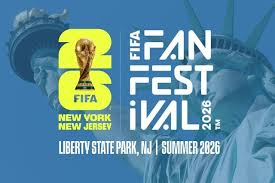
  1. Liberty State Park (Jersey City) will host a 40-day FIFA Fan Festival running throughout the tournament. It’s one of the few dedicated public viewing spaces and you can reach it easily via light rail from Manhattan. The view of the Manhattan skyline from here is spectacular.

2. Rockefeller Center (Manhattan) is transforming from July 4-19, 2026. The iconic ice rink will become a football pitch surrounded by giant screens. The celebration spreads across the entire three-block Rockefeller campus, including Top of the Rock observation deck. If you want that classic New York experience, this is it.

3. USTA Billie Jean King National Tennis Center in Queens will host the NYNJ World Cup Fan Zone from June 17-28, 2026, produced by Live Nation. This is in the borough known for its diversity—expect a real melting pot atmosphere.

The Host Committee is also planning additional fan zones and pop-ups across the region. They’ve been running a “Skyline to Shoreline Road Tour” mobile fan experience since summer 2025 to build excitement.

Los Angeles
LA is spreading the World Cup love across multiple neighborhoods:

  1. LA Memorial Coliseum will host the official FIFA Fan Festival from June 11-15.
  2. Venice Beach has been named an official fan zone—watch matches with your toes in the sand and the Pacific Ocean as your backdrop. Local businesses along Windward Avenue are preparing for international attention.

Other confirmed fan zones include Original Farmers Market, Downey, Union Station, LA Plaza de Cultura y Artes, Hansen Dam Lake, and the Earvin “Magic” Johnson Recreation Area. With eight matches at SoFi Stadium, LA has plenty to celebrate.

Seattle

Seattle is taking a statewide approach with nine official fan zones across Washington: Seattle Center serves as the main hub, with space for

up to 20,000 fans at once. The Space Needle provides an iconic backdrop.

Additional fan zones in: Bellingham, Bremerton, Everett, Olympia/Lacey, Spokane, Tacoma, Tri-Cities, Vancouver (WA), and Yakima. Each will feature live entertainment, interactive activations, and food and beverages. This way, you don’t have to be in Seattle proper to be part of the experience. The state is treating it as a regional celebration.

Philadelphia

Lemon Hill Park is Philadelphia’s main Fan Festival location, expecting to draw 25,000 people. It’s a beautiful setting with city views, and given Philly’s passionate sports culture, the atmosphere should be intense.
Toronto

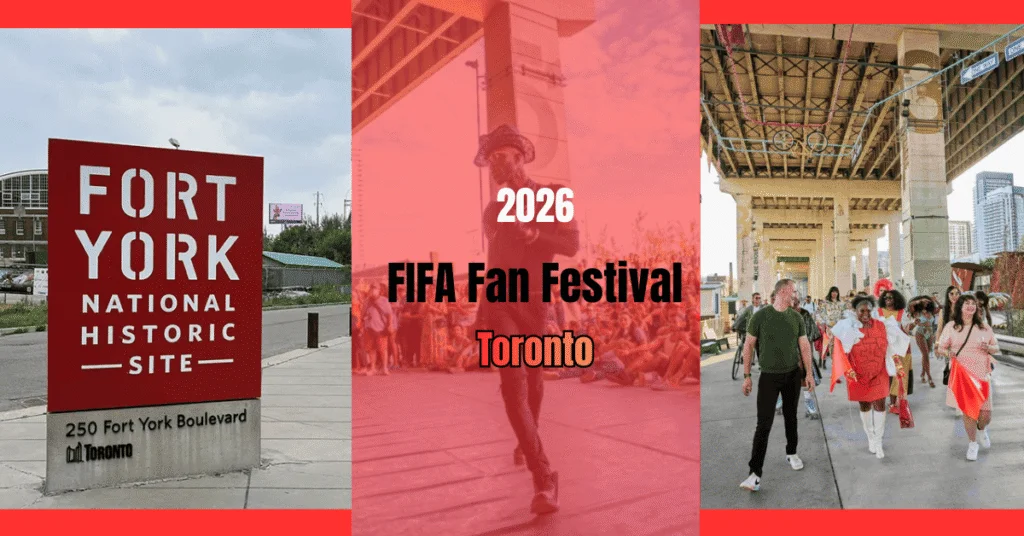
Toronto has publicly identified flagship locations for their Fan Festival, though specific venues are still being finalized. As Canada’s largest city and with BMO Field hosting matches, Toronto is preparing major public viewing experiences downtown. The city has deep experience running large-scale summer festivals, so expect this to be well-organized.

Vancouver

Vancouver’s Fan Festival plans are in development. The city successfully hosted matches during the 2015 Women’s World Cup, so they know how to do this. Expect locations that take advantage of Vancouver’s stunning natural setting—likely somewhere that captures both city and mountain views.

Dallas

Dallas is hosting nine matches—more than any other city—so they’re planning accordingly. Their main Fan Festival will be in the downtown area near the stadium. Given Dallas’s size and sprawl, they’re also working on satellite viewing locations across the metro.

Atlanta

Atlanta has publicly identified flagship fan festival locations. With its massive convention facilities and experience hosting major events, Atlanta is well-positioned to create memorable viewing experiences. Their MARTA transit system will make getting to fan zones easy.

Other Host Cities

Kansas City, Houston, Miami, Boston, San Francisco, Monterrey, Guadalajara, and Mexico City are all developing their official fan festival plans. Details are still emerging, but every host city will have at least one major public viewing area.

Mexico City deserves special mention: El Zócalo, one of the world’s largest public squares, is the natural and traditional choice. Mexico has a long history of massive public viewing for big soccer matches, and the atmosphere in the Zócalo during Mexico matches will be absolutely electric. Expect hundreds of thousands of people.

What to Expect at Fan Festivals

The Screens are not your regular home TV. We’re talking stadium-sized LED screens with crystal-clear images. Some festivals have multiple screens showing different matches simultaneously during the group stage.

Most fan festivals are open all day, every day of the tournament. Some start with opening ceremonies and run straight through to the final on July 19.
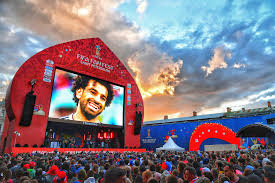
Between matches, expect live music acts, DJs, cultural performances, and interactive games. Think of it as an all-day festival that happens to include the World Cup.
Each fan festival will have food vendors representing local and international cuisines. Expect everything from local favorites to international football fan favorites. Most will sell alcohol in designated areas.
Many locations will have skills challenges, small-sided games, autograph sessions with former players, and interactive sponsor activations.

Arrival Time: For big matches (especially those involving the host nations, or knockout rounds), arrive 2-3 hours early. These spaces fill up. For group stage matches between neutral teams, you can be more relaxed.

What to Bring: Sunscreen, hat, portable phone charger, small bag (security rules apply), comfortable shoes for standing, and your team’s colors.

Cost: Entry is free. You’ll pay for food and drinks. Some fan festivals might have VIP areas with premium amenities for a fee.

PRE-MATCH & POST-MATCH FAN EVENTS

Beyond the official fan festivals, each host city will have its own ecosystem of fan events. Here's what typically happens:

Fan Marches

In football culture, supporters often organize marches from a central meeting point to the stadium. These are organized by supporters’ groups and happen 2-3 hours before kickoff. You’ll see this especially in cities with established soccer cultures (Seattle, Kansas City, Atlanta, Portland-area fans traveling to Seattle, plus all three Mexican cities). Expect drums, chants, flags, and hundreds or thousands of fans walking together. Even if you’re not with an organized group, you can usually join in.
It’s a fantastic way to feel the energy building before a match.

Pub Meetups

Supporters’ groups often have official pre-match pub locations where fans gather 3-4 hours before kickoff. These fill up fast for big matches. In cities with large diaspora communities, you’ll find bars that cater to specific nationalities. Want to watch England’s match with English fans? There’s a pub for that. Same for Mexico, Brazil, Argentina, and most major footballing nations.

Tailgating (Especially in USA)

American sports culture loves tailgating—gathering in stadium parking lots before games to grill food, drink, and socialize. This will happen at many US stadiums, especially in Dallas, Kansas City, Kansas City, and Philadelphia. Bring a portable grill, some lawn chairs, and food to share. Tailgating culture is generally welcoming—you’ll often end up sharing beers and stories with fans from other countries.

Street Festivals

Many cities will close down streets near stadiums on match days for spontaneous street parties. Mexico City, Guadalajara, and Monterrey have strong traditions of this. Expect music, food vendors, face painting, and general celebration. In US cities, this is less common but will happen in entertainment districts. Miami’s Wynwood, Dallas’s Deep Ellum, Seattle’s Capitol Hill, and similar neighborhoods will become unofficial party zones.

Post-Match Celebrations

After the match, fans typically flood into nearby bars, restaurants, and public spaces. In Mexican cities, the celebration moves to the historic centers and main plazas. El Zócalo in Mexico City, Guadalajara’s historic center, and Monterrey’s Macroplaza will be packed.
In US cities, check out:
  • New York: Times Square, East Village bars, Williamsburg
  • LA: Downtown LA, Santa Monica, Venice boardwalk
  • Seattle: Capitol Hill, Fremont, Ballard breweries
  • Miami: Wynwood, Brickell, Bayside
  • Dallas: Deep Ellum, Uptown bars
  • Atlanta: Midtown, Virginia-Highland
  • Boston: Faneuil Hall area (though it gets touristy), Fenway neighborhood
  • Kansas City: Power & Light District, Westport
  • Philadelphia: Fishtown, Old City, South Street

Victory Parades (If Host Nations Win)

If the USA, Canada, or Mexico advances deep or wins, expect impromptu celebrations that shut down city centers. This is especially true in Mexican cities where victory celebrations are a huge cultural tradition.

Fan Zones Stay Open

Most official fan festivals will continue operating after matches with music, dancing, and general celebration. They’re often the safest, most organized place to celebrate or commiserate.

STREET PARTIES & CULTURAL FESTIVALS

The World Cup is as much a cultural event as a sporting one. Each host city will embrace this with festivals, concerts, and celebrations that extend beyond football.

What to Expect by Country

United States
American cities will add World Cup viewing to their already robust summer festival calendars.
New York:
Summer Street Fairs happen across the city all summer. Many will add World Cup viewing. The annual Pride events happen in June. Summerstage concerts in Central Park. The city is already in festival mode.
Los Angeles:
LA loves outdoor summer events. Expect beach parties in Venice and Santa Monica, rooftop viewing parties across downtown, and food truck festivals that incorporate World Cup themes.
Seattle:
The Capitol Hill Block Party, Seafair (massive summer festival), and other events will overlap with the World Cup. Seattle already knows how to throw a soccer party—the Sounders have the best supporters’ culture in MLS.
Miami:
Miami is already a party city. Add the World Cup and large Latin American populations, and you’ve got a recipe for constant celebration. Little Havana, Wynwood, and South Beach will be alive.
Americans are generally friendly and chatty, especially at sporting events. Striking up conversations with strangers at bars or fan zones is completely normal.

Canada

Toronto:
The city runs summer festivals expertly. Expect Caribbean Carnival (Caribana) energy meeting World Cup fever. Toronto’s incredible diversity means every team will have a supporters’ base.
Vancouver:
With its mild summer weather, outdoor viewing will be everywhere. The city’s Asian population means strong support for Japan, South Korea, and other Asian teams. Canadians are polite but passionate about hockey. They’re still learning football culture. Be patient and welcoming to new fans discovering the sport.

Mexico

Mexico City:
Streets around the Zócalo will be packed with vendors selling jerseys, flags, face paint, and street food. Mariachi bands will play. Entire neighborhoods will organize viewing parties. If Mexico plays, the city essentially stops.
Guadalajara:
The birthplace of mariachi and tequila will lean hard into cultural celebrations. Expect traditional music, dance performances, and tequila flowing freely. The atmosphere in Tlaquepaque and downtown will be electric.
Monterrey:
More business-focused than the other Mexican cities during normal times, but when football is on, the passion is just as intense. The Macroplaza becomes party central. In Mexico, celebrating in public spaces is expected and encouraged. Noise isn’t frowned upon—it’s part of the experience. Don’t be shy about joining in.

Specific Cultural Festivals Overlapping with World Cup

Pride Month
(June): Many cities celebrate LGBTQ+ Pride in June. New York, San Francisco, Toronto, and others will have Pride events concurrent with early World Cup matches.
Canada Day
(July 1) & US Independence Day (July 4): Both holidays fall during the tournament. Expect patriotic celebrations combined with World Cup fever.
Summer Concerts & Music Festivals:
Almost every city will have outdoor concert series. Many will incorporate World Cup viewing or themes.

FAN ETIQUETTE IN DIFFERENT COUNTRIES

Each host country has slightly different cultural norms around public behavior, sports fandom, and social interactions.

United States. What's Normal?

  • Loud enthusiasm is expected and encouraged at sporting events
  • Chatting with strangers about the game is completely acceptable
  • Tipping 15-20% at bars and restaurants is mandatory (not optional)
  • Asking “How are you?” is a greeting, not an actual question—answer “Good, thanks!”
  • Personal space: Americans generally prefer about an arm’s length distance in conversations

What to Avoid:

  • Public intoxication laws are strict; drinking on streets is illegal in most cities
  • Don’t light flares or set off fireworks (common in some countries, illegal here)
  • Smoking is banned in most public spaces and close to building entrances
  • Don’t be late to organized meetups; Americans value punctuality

Sports Culture:

  • Americans might not know all the chants or songs yet—this is a teaching moment
  • They’ll likely bring their American sports energy (think NFL tailgating) to football
  • Food and beer at stadiums are part of the experience
  • Explaining offside to your American neighbor is basically a World Cup tradition now

Canada. What's Normal?

  • Politeness is taken seriously; “sorry” is used even when it’s not your fault
  • Queuing (standing in line) is very organized; no cutting
  • Multiculturalism is a point of pride—you’ll see supporters from every nation
  • Public drinking rules similar to US but slightly more relaxed
  • Bilingual signage and announcements (English and French) in many areas

What to Avoid:

  • Littering is seriously frowned upon
  • Being too loud late at night in residential areas
  • Comparing Canada to the United States (they’re politely sensitive about it)
  • Assuming everyone speaks English (in Quebec, French is primary)

Sports Culture:

  • Hockey is religion; football is growing
  • Canadians are enthusiastic but tend to be less rowdy than other countries
  • They’ll welcome you warmly and want to share the experience

Mexico. What's Normal?

  • Loud celebrations, music, and crowds in streets are expected and wonderful
  • Personal space is closer; expect more physical contact (pats on back, arm touches)
  • Time is flexible; “8 PM” might mean 8:30 or 9 PM
  • Street vendors everywhere; haggling is sometimes acceptable
  • Physical affection between friends (hugs, kisses on cheek for greetings)

What to Avoid:

  • Don’t drink tap water (stick to bottled)
  • Avoid comparing Mexico to the US or being critical of Mexico
  • Don’t assume everyone speaks English; learn basic Spanish phrases
  • Wearing expensive jewelry or flashing money in crowded areas
  • Being overly reserved or stiff—Mexicans are warm and expect you to match the energy

Sports Culture:

  • Football is THE sport; passion is unmatched
  • Expect chants, songs, drums, and constant noise
  • Mexico vs. USA rivalry is serious but usually good-natured
  • When Mexico scores, prepare for earthquakes of celebration (literally—celebrations have registered on seismographs)

Universal Fan Etiquette

Respect Other Teams. Banter is part of football, but keep it playful. Don’t mock teams that lose badly or celebrate excessively in front of grieving fans. Remember that for some people, this team represents their entire identity

Know Your Limits. Pace your drinking; tournaments are marathons, not sprints. Heat exhaustion is real in summer (especially Texas, Mexico). Stay hydrated and use sunscreen

Be a Good Ambassador. You represent your country when wearing your team’s colors. Help lost fans, share local tips. Clean up after yourself and thank hosts in their language

Photography Etiquette. Ask before taking close-up photos of people. Be mindful of blocking views at crowded viewing areas. Don’t use flash during national anthems

Where to watch (TV & streaming by country)

Here’s how to catch every minute of the tournament, no matter where you are in the world.

Major Markets Broadcasting Guide

Country

TV Channels

Streaming

Cost

Coverage

Notes

USA (English)

FOX (70 matches)

FS1 (34 matches)

FOX Sports App

FOX One

Tubi (free!)

Cable/satellite required

OR streaming service

Tubi: FREE

All 104 matches

40 in primetime

All in 4K

YouTube TV, Hulu Live, FuboTV, DIRECTV Stream, Sling TV all carry FOX/FS1

USA (Spanish)

Telemundo (92 matches)

Universo (12 matches)

Peacock

Telemundo App

$7.99/month (Peacock)

Free w/cable

All 104 matches on Peacock

Telemundo Deportes Ahora (free 24/7 channel) launches Aug 2025

Canada (English)

CTV

TSN

TSN Direct

CTV Go

~$20 CAD/month

Free w/cable

All 104 matches

Bell Media exclusive rights

Canada (French)

RDS

RDS Direct

RDS Go

Standalone available

Free w/cable

$290-405

Quebec & French speakers

Mexico

BBC (52 matches)

ITV (52 matches)

BBC iPlayer (free)

ITVX (free)

FREE

(TV license required)

All 104 matches

Both simulcast final

ITV has opening match at 8 PM UK time

Germany (Free)

ARD (30 matches)

ZDF (30

ARD/ZDF apps

FREE

60 matches total

All Germany matches, opening, semis,

matches)

final

Germany (Paid)

MagentaTV

MagentaTV app

Subscription required

All 104 matches in 4K

44 exclusive matches, conference mode

France

M6

6play

FREE

All 104 matches

Exclusive free-to-air rights through 2030

Australia

SBS

SBS On Demand

FREE

All 104 matches

Comprehensive free coverage

Brazil

TV Globo

Globoplay, Casimiro

Mostly free

Most/all matches

Extensive pre/post shows

Argentina

TyC Sports

DSports

TVP

Platform apps

Varies

All matches

ITV has opening match at 8 PM UK time

Germany (Free)

ARD (30 matches)

ZDF (30

ARD/ZDF apps

FREE

60 matches total

Massive viewership for Messi

Regional & Other Markets

Region/Country

Broadcaster(s)

Type

Notes

Japan

NHK, others

Free-to-air

Japan matches guaranteed free

South Korea

KBS, MBC, SBS

Free (state TV)

National broadcaster coverage

India & South Asia

TBD

TBD

Rights being tendered by FIFA (Viacom18 held 2022 rights)

Middle East & North Africa

beIN Sports

Paid

beIN CONNECT, TOD streaming apps

Latin America

Varies by country

Mixed

TyC Sports (Argentina), Globo (Brazil), regional rights

Best Options for Cord-Cutters

Option

Cost

Best For

What You Got

Tubi (USA)

FREE

Opening matches

Mexico vs. South Africa + USMNT opener in 4K

Peacock (USA)

$7.99/month

Spanish commentary fans

All 104 matches in Spanish

BBC iPlayer (UK)

FREE

UK residents

52 matches completely free (*TV license required)

SBS On Demand (Australia)

FREE

Australians

All 104 matches free

YouTube TV (USA)

Trial then $73/month

English commentary

FOX/FS1 access, can cancel after tournament

FuboTV (USA)

Trial then $80/month

English commentary

FOX/FS1 access, sports-focused

How to Find Your Local Broadcaster
  1. Visit fifa.com/broadcasters for official list by country
  2. Identify your country’s official rights holder
  3. Download their streaming app or visit their website
  4. Create account (free or paid depending on broadcaster)
  5. Some require cable/TV provider login
  6. Set reminders for your team’s matches
VPN Considerations

Many fans ask about using VPNs to access foreign streams. Here’s the honest reality. Using VPNs isn’t illegal, but may violate broadcaster terms of service and major platforms (BBC iPlayer, Peacock, etc.) actively block VPN usage. Support your local official broadcaster when possible. They paid for the rights and their revenue supports football development. If your country genuinely has no coverage available, VPNs to access BBC iPlayer (UK) or SBS (Australia) become more justifiable since both are free services.

Community & Social Engagement

Where to Join the Conversation, Find Your People & Follow the Action

These are FIFA’s verified official accounts. Follow them for the latest news, match highlights, squad announcements, behind-the-scenes content, and live reactions directly from the tournament.

Instagram – https://www.instagram.com/fifaworldcup Match moments, team photos, fan content, reels

      https://www.instagram.com/fifa Official FIFA news, tournament updates

TikTok – https://www.tiktok.com/@fifaworldcup FIFA’s OFFICIAL preferred platform for 2026 — exclusive goals, behind-the-scenes, creator content

YouTube – https://www.youtube.com/@FIFA Full match replays, press conferences, documentaries

X (Twitter) – https://www.twitter.com/FIFAWorldCup

Facebook – https://www.facebook.com/groups/2026worldcuptickets

Official Host City Accounts

Each host city has its own official FIFA 2026 social media pages. Follow the cities where your team is playing for local event info, fan zone updates, and city-specific content.