
Travel & Accommodation
Flight tips & cheapest routes


Which Cities Are Actually Affordable to Fly Into?
Best Value Destinations are
The Pricier Options:
Step 4: Submit Application
Seattle, Boston, and San Francisco all trend expensive, though for different reasons. Seattle has limited international connections. Boston’s airport serves a wealthy market. And San Francisco? Well, it’s the Bay Area—everything costs more.
Kansas City is a smaller market, so while the city itself is affordable, getting there can cost more due to fewer flight options.
Airlines That Can Get You There

1. Within the United States:
American Airlines is worth noting since they’re an official North American airline supplier for the tournament. They fly to all 16 host cities, which is handy if you’re planning to see matches in multiple places.
Delta has a massive hub in Atlanta and flies pretty much everywhere. United dominates in Houston, San Francisco, and the New York area.
For domestic budget travel, Southwest is solid—they don’t charge for your first two checked bags, which is rare these days. JetBlue offers good service on the East Coast. Frontier and Spirit are ultra-low-cost options, but remember: they charge for absolutely everything (carry-on bags, seat selection, even water).
2. In Canada:
3. In Mexico:

Getting to North America from Abroad
Money-Saving Strategies That Actually Work
1. Think Multi-City Instead of Round-Trip
Here’s a strategy many people overlook: instead of flying round-trip to one city, consider an “open-jaw” ticket. Fly into New York for your group stage matches, then fly home from Los Angeles after the final. You’ll save money over buying multiple one-way tickets, and you won’t waste time or money backtracking.
2. Group Your Matches Geographically
The United States is enormous. Seriously—it’s about the size of Europe. So don’t plan to casually hop from Seattle to Miami. Instead, think in regions: If you’re doing East Coast matches, Boston, New York, and Philadelphia are all within a few hours of each other. You could even drive between them or take the train. For Texas, Dallas and Houston are about 3.5 hours apart by car. That’s a doable road trip, and you’ll save on flights. On the West Coast, you could combine LA, San Francisco, and Seattle, though those flights will add up.
In Mexico, the three host cities—Mexico City, Guadalajara, and Monterrey—form a nice triangle. Flights between them run under $150 and take about two hours.
3. Consider Budget Airlines for Short Hops
4. Use the Right Booking Tools
Google Flights is excellent for comparing options and tracking prices. Their calendar view shows you the cheapest days to fly at a glance. Skyscanner casts a wide net and sometimes finds deals others miss. Kayak has a good multi-city booking tool. Momondo occasionally surfaces hidden deals from smaller booking sites. That said, since American Airlines is an official supplier, it’s worth checking their site directly for any World Cup-specific packages or deals they might offer.
Getting Around Between Cities

1. Driving Can Make Sense
Some routes genuinely work better by car. Boston to New York is about 4 hours. New York to Philadelphia is 2 hours. Dallas to Houston is 3.5 hours. You could rent a car, split the cost with friends, see some countryside, and skip airport hassles entirely. Seattle to Vancouver is only about 3 hours by car—though budget extra time for the border crossing. Rental cars typically run $40-100 per day, depending on the city and how far ahead you book. Gas will add another $50-200 depending on your route.
Just be aware: parking in cities like New York or San Francisco is expensive ($30-60 per day) and often difficult. In those cases, you might be better off with public transit.
2. Buses Are Cheaper Than You'd Think
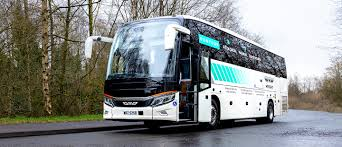
Greyhound operates throughout the US. FlixBus offers comfortable coaches with WiFi and power outlets. Megabus sometimes has tickets as low as $1-20 between major cities, though $15-30 is more typical. New York to Philadelphia? About $15-30 and two hours on the bus. Dallas to Houston runs $20-40 for a 4-5 hour ride.
In Mexico, ADO and ETN run excellent long-distance buses—comfortable, reliable, and affordable.
3. Trains on the East Coast
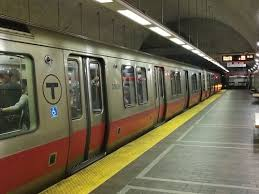
Amtrak’s Northeast Corridor—the route from Boston through New York to Philadelphia—actually works well. It’s comfortable, you can work or relax during the trip, and you arrive right in the city center. Prices vary widely depending on when you book and what class you choose, but figure $50-150 for most routes.
Elsewhere in North America, trains aren’t really practical for World Cup travel. The distances are too great and the service too infrequent.